

Building lasting and healthy relationships starts with ourselves. Whether we feel internally safe or are accompanied by anxiety determines almost every aspect of our interaction with another human being. Understanding the differences in the approach of people with a secure and insecure style of being allowing us to better navigate the world of feelings.
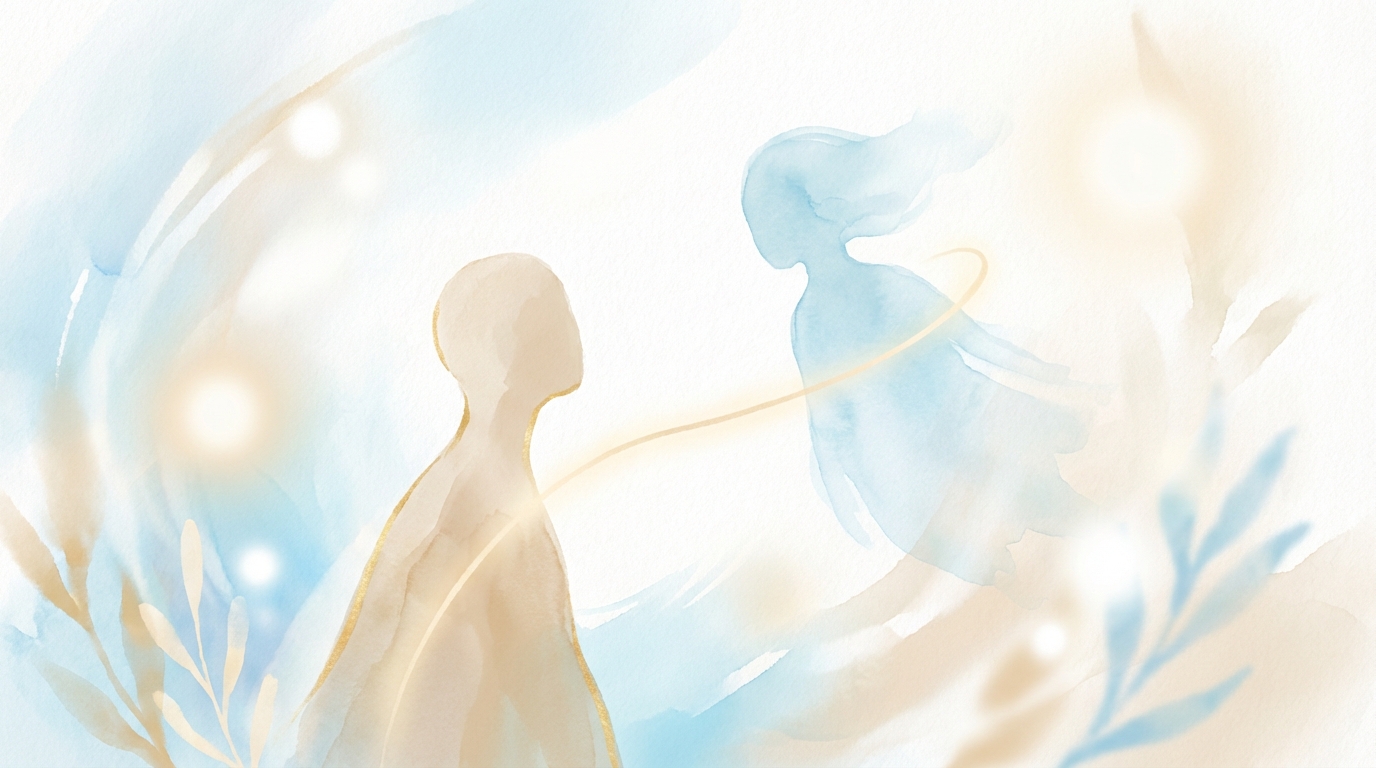
Imagine that each of us has a built-in "Wi-Fi" system for connecting with others. For some, the signal is constant and strong (secure style), for others it is constantly searching for a network (anxious style), and still others turn on "airplane mode" as soon as someone gets too close (avoidant style).
The Big Four – Know Your Style
Psychology distinguishes four main attachment styles. Which one sounds familiar?
- Secure Style ("The Rock"): These are people for whom intimacy is natural. They are not afraid of rejection, but they also do not smother their partner with their presence. They can set boundaries and respect the boundaries of others. In an argument, they look for a solution, not a culprit.
- Anxious-Preoccupied Style ("The Chaser"): These people desire intimacy so much that they often confuse it with ensnaring their partner. Silence or lack of messages is an alarm signal for them ("He doesn't love me anymore!"). They need constant reassurance of their importance, and their radar is constantly tuned to pick up signs of rejection.
- Dismissive-Avoidant Style ("The Runner"): They value independence above all else. Intimacy is associated with a loss of freedom. When a relationship becomes too intimate, they withdraw, fall silent, or escape into work/hobbies. They often devalue their partner in their thoughts to make it easier to maintain distance.
- Fearful-Avoidant (Disorganized) Style: The most difficult style, often resulting from trauma. It is a dance of "push and pull". This person desires love but is terrified of it. When the partner is close – they run away; when the partner leaves – they chase them.
Communication and Boundaries – Minefields
A key difference is how we express our needs.
* People with a secure style openly communicate what they need ("I need a hug", "I need a moment for myself").
* Insecure people (anxious) often expect others to read their minds and guess their desires in an almost magical way. When this doesn't happen, frustration and resentment grow.
The issue of boundaries is similar: secure people can clearly define them, while insecure people tend to constantly test them (anxious style) or build impassable walls (avoidant style).
Relationship with Yourself and Silence
The sense of safety also manifests itself in moments when we are alone.
* For a secure person, solitude is an opportunity for regeneration. They can enjoy their own company.
* For an anxious person, silence can be unbearable, which pushes them to seek constant external reassurance. The phone is silent? For the anxious style, it's torture; for the secure style, it's just quiet.
Conflicts and Emotional Dynamics
Even arguments look different.
* Secure person: Argues to solve the problem and understand the other side's perspective.
* Insecure person: Fights to prove they are right (anxious) or withdraws and uses the "silent treatment" (avoidant).
Often, insecure people confuse intensity of sensations (emotional rollercoaster, drama) with depth of relationship. Remember: peace in a relationship is not boredom. It is safety.
Don't Lose Yourself
The healthiest love is one where we can love without losing our own identity. Anxious people, in a desperate need to be loved, tend to completely lose themselves in another person, merging with them.
How to Build This Foundation?
It is worth remembering that true security does not come from the outside – it cannot be found in someone else or "bought" with a partner's compliments. It is a foundation that each of us must build within ourselves.
In Recall Healing and emotional work, we look at how we were programmed in childhood. Was mom available? Was dad a safe haven? The good news is that attachment style is not a life sentence. You can develop a so-called earned secure style. However, this requires working on your own "inner child" and realizing that adult relationships do not have to look like those from the past.
Want to check what is blocking your sense of safety?
If you feel that you keep falling into the same relationship patterns, I invite you to a consultation. Together we will find the source of your reactions and teach your nervous system a new way of being in intimacy.
The article is for informational purposes and presents the perspective of Recall Healing. It does not replace medical diagnosis or treatment. Always consult symptoms with a doctor.